In the world of sales centers, lighting plays a crucial role in setting the atmosphere. The balance between natural and artificial light can significantly affect client experiences. According to lighting expert Sarah Thompson, "The right mix of light can enhance mood and influence purchasing decisions."
Clients are drawn to well-lit spaces that showcase products effectively. Natural light creates a welcoming environment, while artificial light is essential for evening hours. However, achieving harmony requires careful planning. Too much artificial light can feel harsh, while too little can make spaces appear dull.
The challenge lies in understanding how to balance natural light and artificial light in a sales center. This balance can be influenced by factors like window placement, light fixtures, and even seasonal changes in daylight. Reflecting on these aspects helps create an inviting yet functional space. The goal is to maximize the benefits of both light sources while minimizing the drawbacks.
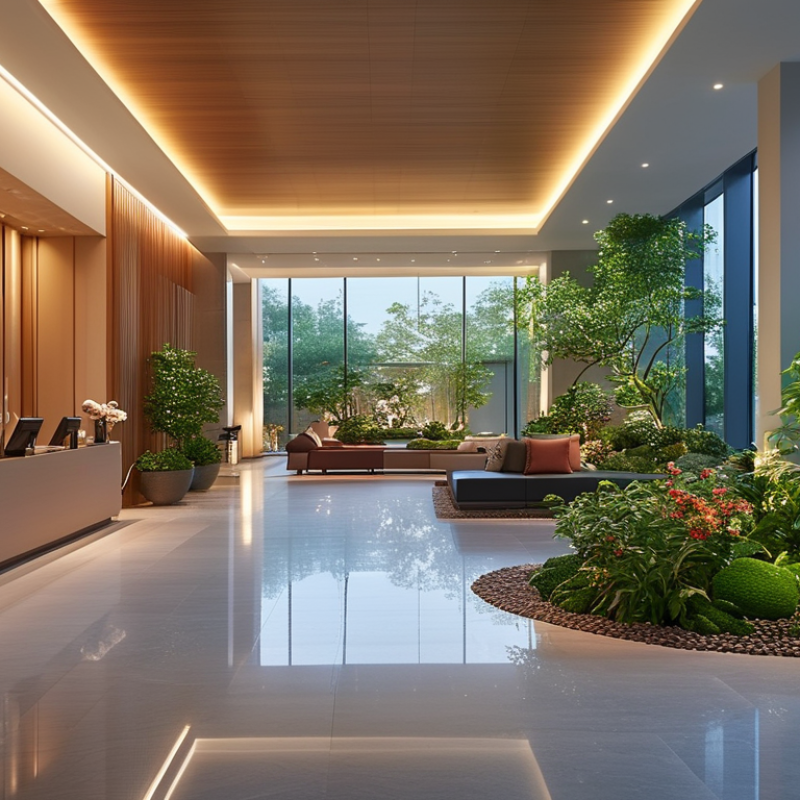
Lighting plays a critical role in sales centers. The right balance of natural and artificial light can influence customer moods and drive sales. Natural light creates an inviting environment, while artificial light adds functionality. The interplay between these two light sources shapes the overall atmosphere.
Use large windows wherever possible. They allow natural light to fill the space. This creates a warm and welcoming ambiance. However, too much sunlight can lead to glare and discomfort. Consider using shades or filters to control the brightness. This can help maintain the atmosphere without sacrificing natural light.
Artificial light should complement natural light. LED lights are a good choice. They provide energy efficiency and can mimic daylight. Focus on layering artificial lighting. Combining ambient, task, and accent lighting can add depth and character.
Reflect on how changes in lighting affect your sales center. Regularly assess the impact on customer engagement. Adapt your lighting strategy based on feedback. Each sales center is unique, and there is always room for improvement in the lighting balance.
Assessing natural light sources in sales centers is crucial. Natural light creates an inviting atmosphere. It enhances moods and improves decision-making. With proper assessment, you can leverage sunlight effectively.
When evaluating natural light, consider window placements and size. Large windows can bring in ample light. However, they may also cause glare. Utilize sheer curtains to soften direct sunlight. This approach maintains brightness while reducing harshness.
To achieve balance, combine natural and artificial sources. Use warm-toned artificial lights to complement daylight. This blend encourages comfort. Avoid overly bright lights, which can lead to fatigue. Aim for warm, inviting tones that enhance the space.
Lighting adjustments can create a better sales experience. Observe how light changes throughout the day. Document qualities that engage potential customers. Adapt your lighting plan based on these reflections. Balancing natural and artificial light amplifies your center's appeal.
Creating the right ambiance in sales centers involves careful integration of both natural and artificial lighting. Artificial lighting can enhance the space’s appeal, guiding visitors through the atmosphere you aim to create. Warm-toned LED lights can complement natural daylight, offering a welcoming feel without overwhelming the senses.
Consider using layered lighting techniques. Mix ambient, task, and accent lighting for a harmonious balance. Ambient lighting provides overall illumination while task lighting highlights specific areas. For instance, placing brighter lights over product displays can draw attention effectively.
Incorporating dimmers offers flexibility for mood adjustments. Dimming lights during evening hours can create a cozy atmosphere. However, be cautious not to make areas too dark. Insufficient light may discourage clients from exploring the space fully. Regularly reassessing the lighting setup will help maintain an inviting ambiance that adapts to different times of day and customer needs.
Balancing natural and artificial light is essential for creating inviting sales centers. A recent study found that environments with well-balanced lighting boost mood and productivity by up to 20%. Proper lighting design can enhance product visibility and customer engagement, making it a vital aspect of sales strategies.
To achieve this balance, use natural light during peak hours. Large windows or skylights help bring in sunlight. In addition, position mirrors strategically to maximize light reflection. For artificial lighting, choose LEDs with a color temperature similar to daylight. This ensures a warm, welcoming ambiance. Aim for layered lighting: ambient, task, and accent lights. This variety creates depth and can emphasize key features.
However, over-reliance on artificial lighting can lead to harsh environments. A 2022 report highlighted that 30% of spaces used excessive artificial sources. This can contribute to eye strain and fatigue. Regular assessments of lighting setups are crucial. Gather customer feedback to understand their experience. Adjustments should be made based on team observations and client responses. Balancing these elements can create a better shopping experience.
Lighting plays a crucial role in shaping customer experiences in sales centers. Natural light can create a welcoming environment. Artificial light can be strategically used to enhance product displays. A study by the Lighting Research Center found that exposure to natural light can boost mood and increase purchase intent by 20%. However, balancing the two demands careful consideration.
Customer responses vary significantly with lighting conditions. Research published in the Journal of Environmental Psychology indicates that shoppers reacted more positively to well-lit areas. When combining natural and artificial light, a layered approach is often effective. Too much artificial lighting can feel harsh. The right blend creates a harmonious atmosphere that encourages exploration and engagement.
But finding this balance is not straightforward. Excessive bright lights can lead to discomfort. Dim environments may discourage purchases. Evaluating customer reactions through surveys and observations can provide valuable insights. Adapting lighting strategies based on feedback is essential for optimizing sales environments. Understanding these dynamics can drive better customer experiences and sales outcomes.
: Natural light creates an inviting atmosphere and enhances moods, improving decision-making.
Large windows bring ample light but may cause glare. Consider size and placement carefully.
Sheer curtains can reduce glare while maintaining brightness, making the area more comfortable.
Use warm-toned artificial lights to enhance comfort without overwhelming visitors.
Layered lighting mixes ambient, task, and accent lights for an appealing balance in the space.
Dimmers allow mood adjustments, creating a cozy atmosphere, but avoid making spaces too dark.
Regular reassessments help adapt lighting to maintain an inviting ambiance throughout the day.
Insufficient light can discourage clients from exploring the space fully, impacting their experience.
Bright lights can lead to fatigue, detracting from the inviting nature of the sales center.
Observing light changes helps document qualities that engage customers, allowing for better adjustments.
In the realm of sales centers, effective lighting plays a crucial role in creating an inviting atmosphere that enhances customer experiences. The article "How to balance natural light and artificial light in a sales center?" explores the significance of light by first assessing natural light sources and understanding their impact on the overall space. By integrating artificial lighting thoughtfully, sales centers can achieve an optimal ambiance that complements the existing natural light.
To create a harmonious lighting design, techniques such as layering different light sources and using dimmable fixtures are essential. Furthermore, evaluating customer responses to various lighting conditions can provide valuable insights into how to achieve the perfect balance between natural and artificial light. By mastering these elements, sales centers can significantly improve customer engagement and satisfaction, ultimately driving sales and fostering a positive shopping environment.

Trandic Light