In contemporary interior design, the combination of brass and marble stands out for its aesthetic and functional appeal. According to a report by the National Kitchen and Bath Association, 70% of designers agree that incorporating these materials enhances a space's luxury feel. The question arises: "Why is brass and marble the preferred combo for light luxury style?" Leading interior designer Sarah Thompson emphasizes that “these elements offer timeless elegance, creating a harmonious balance between warmth and sophistication.”
Brass, with its rich tones, adds a touch of opulence and complements the cool, tactile quality of marble. This synergy captures light beautifully, creating a captivating ambiance. However, achieving this balance is not without challenges. Designers must carefully select variations of brass finishes and marble textures to avoid clashing aesthetics. Observing market trends, many professionals have noted that consumers prioritize unique material combinations over conventional designs.
As the demand for light luxury interiors continues to rise, understanding the interplay of brass and marble is essential. Their partnership is more than a trend; it reflects a deeper desire for spaces that resonate with personal luxury and comfort. Ultimately, this duo embodies a significant choice in modern decor, inspiring thoughtful exploration among designers and homeowners alike.
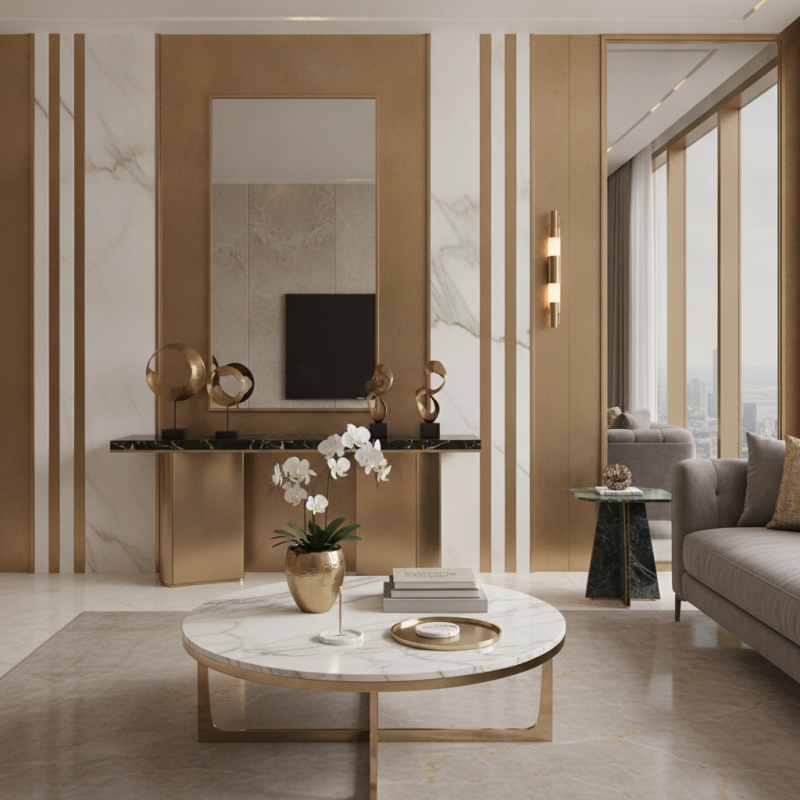
Understanding Light Luxury Interior Design Principles
Light luxury interior design combines elegance with comfort. To master this style, understanding key principles is essential. Brass and marble are incredible materials that elevate any space. They add a touch of sophistication without overwhelming the environment. Using these materials mindfully can yield beautiful results.
Tips: When selecting brass elements, focus on finishes. Brushed or matte brass can look more understated than shiny options. For marble, consider both color and veining. Subtle patterns can add visual interest without being distracting. Balance is crucial in light luxury.
Texture plays a vital role. Combine smooth marble with the soft touch of fabric. This contrast adds depth to your interior. Lighting is just as important. Adjustable lights can highlight brass features and marble surfaces. Remember, it’s not always about perfection. Embrace imperfections, as they tell a story and create a unique personality in your space.
Exploring the Aesthetic Appeal of Brass in Interiors
Brass has become a popular choice in light luxury interiors. Its warm tones and reflective quality create a sophisticated ambiance. The allure of brass lies in its unique ability to blend with various materials, particularly marble. Together, they evoke a timeless elegance that captivates the eye.
Incorporating brass elements, like lighting fixtures or hardware, can enhance the overall aesthetic of a space. These accents can elevate a simple design into something luxurious. Yet, balancing brass with marble requires careful consideration. Too much brass can overwhelm a room’s elegance, while too little may make it feel flat. Striking the right balance is key.
Additionally, the aging process of brass adds character to the design. Over time, the patina develops a richer tone. This organic change invites reflection on the beauty of imperfection. Embracing these nuances can lead to a more personalized space. So, when choosing brass and marble, think about how they will interact and evolve together.
The Role of Marble in Creating Elegant Space
Marble has long been a symbol of elegance and sophistication in design. Its natural veining and unique patterns add depth to interiors, making it an excellent choice for light luxury spaces. According to a report by the National Association of Home Builders, over 70% of homeowners prefer natural stone for surfaces, citing its timeless appeal and durability.
Incorporating marble into your design is not just about aesthetics. The stone’s thermal properties can improve energy efficiency. Marble can retain heat, which is beneficial in colder climates. However, it requires careful maintenance to prevent staining. In places like kitchens, it can show wear over time, which some may view as a detractor from its beauty.
Light luxury interiors benefit significantly from marble's versatility. It can be used on floors, countertops, or accent walls. Designers often recommend pairing marble with brass accents to create contrast. This combination can highlight both materials’ luxurious qualities. A survey by the American Institute of Architects found that 65% of designers plan to incorporate metal elements alongside stone for a sophisticated look. Careful selection and placement are crucial to achieving the desired effect.
Combining Brass and Marble: Best Practices for Cohesion
Combining brass and marble in light luxury interiors creates a stunning visual contrast. Brass adds warmth and elegance, while marble provides a cool, sophisticated touch. To achieve cohesion, it’s essential to balance the materials. Overdoing either can lead to visual chaos. Aim for a harmonious blend that complements the overall aesthetic of the space.
Consider the finishes of both materials. Polished brass shines brightly, drawing attention, while matte marble offers a subtle backdrop. Pairing a glossy brass fixture with a honed marble surface can create depth. Take time to explore different shades of marble too. Creamy whites and deep greys work well with brass. Yet, a misstep here can disrupt the intended vibe, so choose wisely.
Creating focal points using these materials can enhance your interior. A brass chandelier hanging above a marble table can establish a chic centerpiece. However, too many focal points may confuse the eye. Keep the arrangement streamlined. Also, reflect on the scale of elements. Large pieces can dominate, while smaller accents might not make an impact. Finding the right balance is crucial in crafting a light luxury environment.
Tips for Selecting High-Quality Brass and Marble Finishes
Selecting high-quality brass and marble finishes is crucial for achieving the desired light luxury aesthetic in interiors. According to a 2022 industry report, the global marble market is projected to grow at a CAGR of 5.2% from 2023 to 2030. This growth highlights the increasing demand for premium materials. When selecting marble, ensure you inspect the color variations and veining. Natural marble has unique patterns, making each piece distinct. Opt for honed finishes for a softer look, while polished surfaces can enhance reflectivity.
For brass, quality matters significantly. A report by the International Brass Association shows that high-grade brass can resist tarnishing better than lower-quality variants. When choosing brass fixtures, pay attention to the thickness and weight. Lightweight brass may indicate a lower quality that can dent easily. Also, consider the finish type; brushed brass offers depth, while glossy finishes may require more maintenance.
It's worth noting that not every high-end finish suits every style. A mismatch can occur when the chosen materials clash with the overall design vision. Be prepared for potential conflicts in aesthetic coherence. This can lead to a design that feels disconnected or overwhelming. Balancing personal taste with expert recommendations is essential in this selection process.
How to Choose Brass and Marble for Light Luxury Interiors? - Tips for Selecting High-Quality Brass and Marble Finishes
| Material Type |
Quality Indicators |
Finish Options |
Care Instructions |
Sustainability Considerations |
| Brass |
Low lead content, uniform color |
Polished, brushed, antique |
Clean with mild soap; avoid abrasive materials |
Recyclable, check source for ethical mining |
| Marble |
Dense, consistent veining, polished surface |
Honed, polished, leathered |
Seal regularly; avoid acidic cleaners |
Sourced from sustainable quarries, check for certifications |
| Composite Marble |
Consistent color, low porosity |
Matte, polished finishes available |
Wipe with damp cloth; avoid heavy chemicals |
Made from recycled materials, eco-friendly options |
FAQS
: Brass has warm tones and reflective qualities. It creates a sophisticated ambiance in light luxury interiors.
Brass blends well with marble, evoking elegance. However, balance is crucial to avoid overwhelm in a room.
Introduce brass elements like fixtures thoughtfully. Too much can feel excessive; too little may seem flat.
Aging adds character through patina. This change reflects beauty in imperfection, enriching the personal touch in design.
Inspect color variations and veining in marble. Unique natural patterns add distinctiveness to each piece.
Honed finishes offer softness. Polished surfaces enhance reflectivity, both contributing to the overall aesthetic quality.
Look for thickness and weight in brass fixtures. Lightweight options may denote lower quality and susceptibility to damage.
Brushed finishes offer depth, while glossy types might need more upkeep. Choose based on your maintenance preference.
Yes, mismatches can disrupt aesthetic coherence. Be aware of potential conflicts when selecting materials for your vision.
Balancing ensures your space aligns with vision while considering expert insights. This can prevent disconnection in design.
Conclusion
In the realm of light luxury interior design, the combination of brass and marble stands out for its sophisticated elegance and timeless appeal. Brass, with its warm tones and reflective quality, adds a touch of glamour, while marble brings an air of opulence and refined beauty. Together, they create a harmonious environment that resonates with luxury without being overly ostentatious. This balance is essential in light luxury interiors, where the goal is to achieve an elegant yet approachable aesthetic.
So, why is brass and marble the preferred combo for light luxury style? The interplay between the rich texture of brass and the smooth, cool surface of marble creates a visually engaging contrast that enhances the overall design. Best practices for incorporating these materials include ensuring cohesion through thoughtful pairing and selecting high-quality finishes that elevate the space. By understanding the principles of light luxury design, homeowners can effectively blend these materials for a refined and inviting atmosphere.

 Trandic Light