Selecting the right materials for hospitality lighting is crucial for durability and aesthetics. According to a recent report by the American Lighting Association, over 70% of hospitality venues suffer from premature lighting failures due to poor material choices. Understanding "What are the best materials for durable hospitality lighting?" can help mitigate these issues.
Industry expert, Thomas Reed, notes, "Quality materials not only ensure longevity but also enhance the visual appeal of a space." This highlights the importance of investing in the right components. High-quality metals, such as stainless steel or aluminum, offer resistance to corrosion. Glass fixtures, when treated properly, provide both strength and style.
However, not all materials perform equally well. For instance, while plastic may seem cost-effective, it often deteriorates quickly under varied lighting conditions. Choosing durable options requires careful consideration. Reflecting on past mistakes can guide future decisions. As the demand for consistent and appealing lighting grows, so does the need for reliable materials that can withstand the test of time.
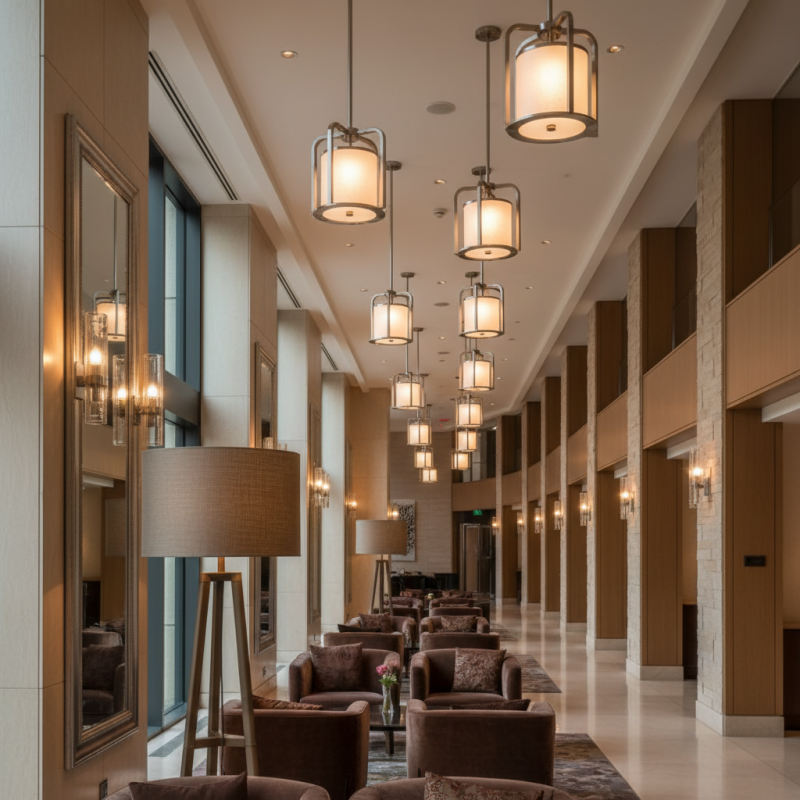
Choosing materials for hospitality lighting is crucial for durability. The right selections can impact maintenance costs and guest experience. Research from the National Institute of Standards and Technology shows that high-quality lighting can last up to 50,000 hours. In contrast, poor materials may fail within a year, leading to unnecessary replacements.
It’s essential to consider environmental factors. The lighting in hospitality settings often faces heat, moisture, and movement. Materials like aluminum and tempered glass perform better in these conditions. According to the Illuminating Engineering Society, nearly 40% of lighting failures are due to environmental stress. Durable finishes can resist scratches and tarnishing, which helps maintain aesthetics over time.
Another aspect is sustainability. Eco-friendly materials can enhance brand reputation. Data from a recent sustainability report indicates that guests prefer establishments that prioritize environmentally friendly practices. This choice can influence customer loyalty. Investing in high-quality, sustainable lighting materials is not just a practical decision; it reflects awareness of market trends and guest expectations.
Choosing materials for hospitality lighting requires careful consideration of environmental factors. Different environments can significantly impact the lifespan of lighting materials. For instance, areas with high humidity, like coastal resorts, can accelerate corrosion in metal fixtures. This leads to increased maintenance costs and a shorter lifespan, which hotel owners should avoid.
Additionally, exposure to harsh outdoor conditions can degrade materials over time. UV light can fade colors and weaken plastics. Choosing UV-resistant materials can mitigate some of this impact, preserving aesthetic appeal. Protective coatings might also extend longevity, but they may require regular upkeep.
There’s no one-size-fits-all solution in material selection. It’s crucial to assess specific environmental challenges. The benefits of using durable materials must be weighed against financial implications. Not every material will suit every location, and sometimes trial and error is necessary. Reflecting on past experiences can help in making better choices moving forward.
When selecting materials for hospitality lighting, understanding their characteristics is vital. Common options include metals, plastics, and glass. Metals, such as aluminum and brass, offer durability and a modern aesthetic. They resist corrosion and wear, making them suitable for high-traffic areas. However, they can be heavy and may require maintenance to ensure their longevity.
Plastics are lightweight and versatile. They can mimic other materials and are often more affordable. However, they may not withstand high temperatures and could fade over time. On the other hand, glass provides an elegant appearance. It can diffuse light beautifully, enhancing any space. Yet, it is fragile and can break easily, which raises concerns for safety in busy environments.
Reflecting on these materials, each option has its pros and cons. Selecting the right one requires careful consideration of the specific environment and aesthetic goals. Relying solely on appearance might lead to challenges in the long term. It's essential to balance beauty with performance and durability. Consideration of the intended use will prevent potential issues down the line.
In the hospitality industry, sustainability is more than a trend; it’s a necessity. Choosing the right materials for lighting involves understanding eco-friendly options. Look for materials that are recyclable or made from renewable resources. This reduces the carbon footprint and ensures a lasting impact on the environment.
Industry standards mandate the use of materials that meet sustainability criteria. For example, LED lighting is not only energy-efficient but also has a longer lifespan. This decreases the frequency of replacements, which is beneficial in the long run. However, some venues still opt for traditional lighting, often due to initial costs. This can be a misguided choice if long-term sustainability is the goal.
It's crucial to adopt a holistic approach. Consider life cycle assessments of materials. This means evaluating the impact from production to disposal. While there may be challenges, like sourcing truly sustainable materials, the effort often pays off. Stride towards innovation can lead to surprising solutions, even if some pathways are unclear at first.
In the hospitality sector, selecting durable lighting options is key for cost-effectiveness. A study by the American Lighting Association revealed that LED lighting can save up to 80% on energy costs compared to traditional bulbs. This translates to significant savings for hotels and restaurants. While the initial investment might be higher, the long-term benefits are clear.
Beyond energy savings, long-lasting solutions reduce maintenance expenses. The International Hospitality Association notes that typical light fixtures may require replacement every year. In contrast, premium LED fixtures can last over 25,000 hours. This longevity diminishes the frequency of replacements, ultimately decreasing labor costs and downtime.
Yet, not all solutions fit every establishment. The ambiance must align with brand identity. Heavy reliance on cost-per-watt calculations can overshadow the importance of aesthetic appeal. Can a focus solely on efficiency compromise guest experience? It’s crucial to balance costs and ambiance to foster a welcoming atmosphere. Analyzing both metrics can provide valuable insights, but there is no one-size-fits-all answer.
| Material Type | Lifespan (Years) | Initial Cost ($) | Maintenance Cost/Year ($) | Energy Efficiency (Lumens/Watt) | Total Cost Over Lifespan ($) |
|---|---|---|---|---|---|
| LED | 20 | 100 | 5 | 100 | 200 |
| CFL | 10 | 60 | 10 | 60 | 160 |
| Halogen | 2 | 20 | 15 | 20 | 140 |
| Incandescent | 1 | 15 | 20 | 10 | 55 |
: High humidity can cause metal fixtures to corrode. This leads to increased costs and a shorter lifespan.
UV light can fade colors and weaken plastics over time. This impacts both appearance and durability.
Protective coatings can extend longevity, but they require regular maintenance to remain effective.
No, each location has unique challenges. It's essential to assess specific environmental conditions carefully.
Sustainable materials reduce environmental impact and ensure compliance with industry standards. This is essential for modern hospitality.
Look for materials that are recyclable or made from renewable resources. This helps lower carbon footprints.
It evaluates the environmental impact of materials from production until disposal. This helps in making informed choices.
The initial costs of LED lighting can be higher. Some may prioritize upfront savings over long-term benefits.
Reflecting on previous projects can guide better material choices. Learning from mistakes is crucial in this process.
Yes, finding truly sustainable options can be difficult, but the rewards often justify the effort.
When considering hospitality lighting, one must ask, "What are the best materials for durable hospitality lighting?" The selection of materials significantly influences the longevity and performance of lighting systems. Key factors include resistance to environmental conditions, such as humidity and temperature fluctuations, which can dramatically affect material durability. A comprehensive understanding of these elements aids in making informed choices that ensure lighting remains functional and aesthetic over time.
In addition, a comparative analysis of common materials—such as metal, glass, and plastics—reveals variations in lifespan and maintenance needs. Adhering to industry standards for sustainability also enhances the overall value of lighting solutions, promoting eco-friendly practices while providing cost benefits in the long run. By prioritizing high-quality, durable materials, hospitality businesses can optimize their lighting investments, ensuring they remain reliable and visually appealing for years to come.

Trandic Light