In the realm of luxury dining, atmosphere plays a pivotal role. Part of this atmosphere is determined by light. The choice of color temperature significantly impacts the dining experience. Understanding what is the ideal color temperature for luxury restaurant dining? can elevate not just the food presentation but the overall guest experience.
Different color temperatures elicit various feelings. Warmer tones can create intimacy, while cooler tones may suggest modernity. The challenge lies in choosing the right balance that complements your restaurant’s theme. Many establishments overlook this essential aspect, leading to a mismatched experience.
Dining at a luxury restaurant should feel exclusive. Yet, inappropriate lighting can detract from that feeling. Reflecting on one's lighting choices can lead to more thoughtful decisions. Ultimately, a nuanced approach to color temperature will set your dining experience apart.
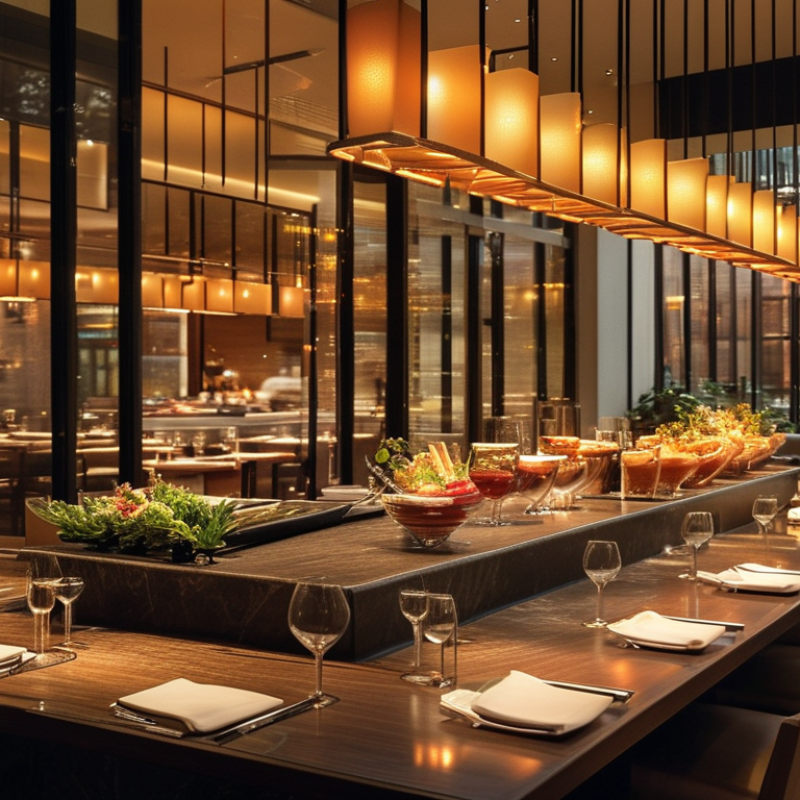
Understanding Color Temperature: Definition and Importance in Dining
Color temperature plays a crucial role in shaping the dining experience. It affects mood, appetite, and overall ambiance. Typically measured in Kelvin, warm light (around 2700K) creates a cozy atmosphere, perfect for intimate meals. In contrast, cooler temperatures (over 4000K) can feel sterile and harsh, often making food less appealing.
Understanding these nuances allows restaurant owners and home chefs to enhance their dining spaces meaningfully. Lighting that is too dim may lead to discomfort. Patrons might squint at menus or struggle to appreciate their meals. On the other hand, excessive brightness can create an unwelcoming environment.
Experimenting with different lighting schemes can illuminate these aspects. Choosing dimmable fixtures or layering light sources can help. Test various setups during different times of the day. Pay attention to how the color temperature impacts the food presentation. Sometimes, a seemingly perfect setup may not yield the best results. Reflecting on these experiences will lead to more informed decisions.
The Psychology of Color Temperature in Luxury Environments
Color temperature plays a crucial role in luxury dining settings. It influences mood, perception, and even appetite. Choosing the right color temperature can elevate the dining experience, creating an atmosphere of comfort and elegance. Warmer tones, like soft amber, evoke coziness and intimacy. In contrast, cooler tones can foster a sense of sophistication and modernity.
Tips: Choose a color temperature around 2700K to 3000K for warm intimacy. This promotes relaxation and connection. Use dimmable lights to adjust the ambiance as the evening progresses. Remember to consider the impact of color on food presentation. Warmer hues enhance the appeal of richer dishes, while cooler light can make vibrant colors pop.
Reflection is key when deciding on lighting. What feels right may vary for different dining occasions. Consider guest preferences and the overall theme of the evening. Some may prefer a bright, lively space, while others might seek a more muted, relaxed environment. This flexibility can lead to a more personalized experience that resonates with your guests. Balancing aesthetics with functionality is essential. Aim for beauty, but remain practical. The right color temperature can transform a meal into a memorable occasion.
Key Factors to Consider When Choosing Color Temperature
Choosing the ideal color temperature is essential for luxury dining settings. The right temperature enhances the dining experience and influences guests' moods. When selecting the appropriate color temperature, consider the atmosphere you wish to create. Warm light creates intimacy, while cooler tones provide a contemporary feel.
Tips: Aim for a color temperature between 2700K and 3000K for a cozy vibe. This range is soft and inviting. However, too much warmth can make a space feel cramped. Balancing warmth with just enough brightness is vital for visual comfort.
Another factor is the decor. The colors of the walls and furniture play a role in how light is perceived. Dark colors absorb light, requiring brighter sources to maintain visibility. Reflective surfaces are affected too. They can amplify or diffuse light, impacting the overall ambiance.
Tips: Experiment with different shades. Use dimmers to adjust intensity based on the time and mood. Remember, the ambiance should promote relaxation and enjoyment. Reflect on how different lighting placements impact your space. The goal is to create an experience that feels luxurious yet comfortable.
Recommended Color Temperature Ranges for Different Dining Experiences
Choosing the right color temperature sets the mood for a luxury dining experience. It enhances the food and elevates conversation. Typically, dining spaces benefit from warm temperatures, around 2700K to 3000K. This range creates a cozy atmosphere. The golden glow of these lights flatters the skin tones and makes the food look more appetizing.
For more casual meals, a slightly cooler temperature of 3000K to 3500K can work well. It adds vibrancy without losing intimacy. However, too cool a light can feel sterile. One must be cautious. A stark 4000K may brighten the space, but risks sacrificing warmth. This balance is vital. Often, diners leave feeling unsatisfied if the ambiance feels off.
Special occasions deserve unique treatment. Going for a warm 2300K can create a romantic atmosphere. Low-level lighting paired with flickering candles can enhance the experience. Yet, consider the safety and visibility of specific dishes. It is important to strike that elusive balance between aesthetic and practicality. Dining should always feel like a curated experience, blending beauty and comfort seamlessly.
How to Choose the Ideal Color Temperature for Luxury Dining?
| Dining Experience |
Recommended Color Temperature (Kelvin) |
Light Mood Description |
| Romantic Dinner |
2700 - 3000 K |
Warm and inviting, encourages intimacy. |
| Family Gathering |
3000 - 3500 K |
Cozy and comfortable, perfect for conversation. |
| Formal Event |
3500 - 4000 K |
Neutral, elegant atmosphere suitable for dining. |
| Casual Dining |
4000 - 4500 K |
Bright and airy, energizing for casual settings. |
| Outdoor Dining |
5000 - 6500 K |
Daylight-like, vibrant and clear for open spaces. |
Implementing Ideal Color Temperature with Lighting Design Techniques
Choosing the right color temperature is crucial in luxury dining. Research shows that color temperature affects mood and appetite. Warmer light, around 2700K to 3000K, creates a cozy atmosphere. This warmth can encourage diners to linger longer, enhancing their experience.
Lighting design techniques play a significant role in achieving the ideal color temperature. Using dimmable LED fixtures allows for flexibility. Adjusting brightness can change the atmosphere based on the time of night. Layering light sources improves depth, creating an intimate feel. A combination of ambient, task, and accent lighting can complement the dining experience.
However, achieving perfection is challenging. Poorly placed lights can create shadows that disrupt ambiance. Overusing bright white light may have a negative effect. It is essential to test different settings and pay attention to guests' reactions. Monitoring how lighting impacts the overall experience can lead to valuable insights. This adaptability ensures that luxury dining remains inviting and sophisticated.
FAQS
: Color temperature affects mood and appetite. It shapes overall ambiance, making it crucial for dining.
Aim for around 2700K to 3000K for warmth. This creates intimacy and promotes relaxation.
Warmer hues enhance richer dishes, while cooler tones can make vibrant colors pop. This matters for presentation.
Dim lighting may cause discomfort. Patrons might struggle to read menus or appreciate their meals properly.
Yes, excessive brightness may create an unwelcoming environment. Guests might feel uncomfortable rather than relaxed.
Use dimmable fixtures and test different setups at various times. Reflect on which arrangement feels best.
Absolutely! Guest preferences can vary widely. Tailoring the ambiance enriches their dining experience.
Dark colors absorb light, requiring brighter sources. Reflective surfaces can also change how light feels in a space.
Yes, not every setup yields ideal results. Reflecting on experiences helps improve future decisions.
Beautiful lighting enhances the experience, but practicality ensures comfort. Strive for both to create memorable occasions.
Conclusion
When it comes to creating an exquisite dining experience in luxury restaurants, understanding color temperature is crucial. The question often arises, "What is the ideal color temperature for luxury restaurant dining?" The ideal range typically falls between 2700K and 3000K, which evokes a warm and inviting atmosphere that enhances both the aesthetics of the food and the overall ambiance.
Several factors play a vital role in selecting the appropriate color temperature, including the psychological impact of different hues on diners. Warmer tones generally foster relaxation and intimacy, making them suitable for upscale dining settings. Furthermore, implementing effective lighting design techniques can help achieve the desired color temperature, ensuring that patrons feel comfortable and engaged throughout their meal. By carefully considering these elements, restaurants can significantly elevate their dining experiences.

 Trandic Light