When it comes to luxury restaurant dining, ambiance is key. A crucial aspect of creating the perfect atmosphere is lighting, specifically color temperature. "What is the ideal color temperature for luxury restaurant dining?" This question has caught the attention of many in the hospitality industry. Lighting expert Johnathan Wells emphasizes, "The right color temperature can transform a meal into an unforgettable experience."
Typically, a range of 2700K to 3000K is recommended for upscale dining settings. This warmth creates a cozy, inviting atmosphere while enhancing food presentation. However, striking the right balance is often challenging. Too warm can make a space feel dim and uninviting, while too cool can feel sterile or harsh. It's important to consider the restaurant's theme as well. Some styles may benefit from a slightly cooler temperature for modern aesthetics.
Crafting the perfect light is an art. Subtle adjustments can have a significant impact on customer experience. Many restaurants overlook how color temperature affects emotions and perceptions. They may rush into lighting choices without thoughtful planning. As a result, diners might leave without fully appreciating their meal. In the end, understanding lighting is crucial for any luxury establishment aiming to enhance its dining experience.
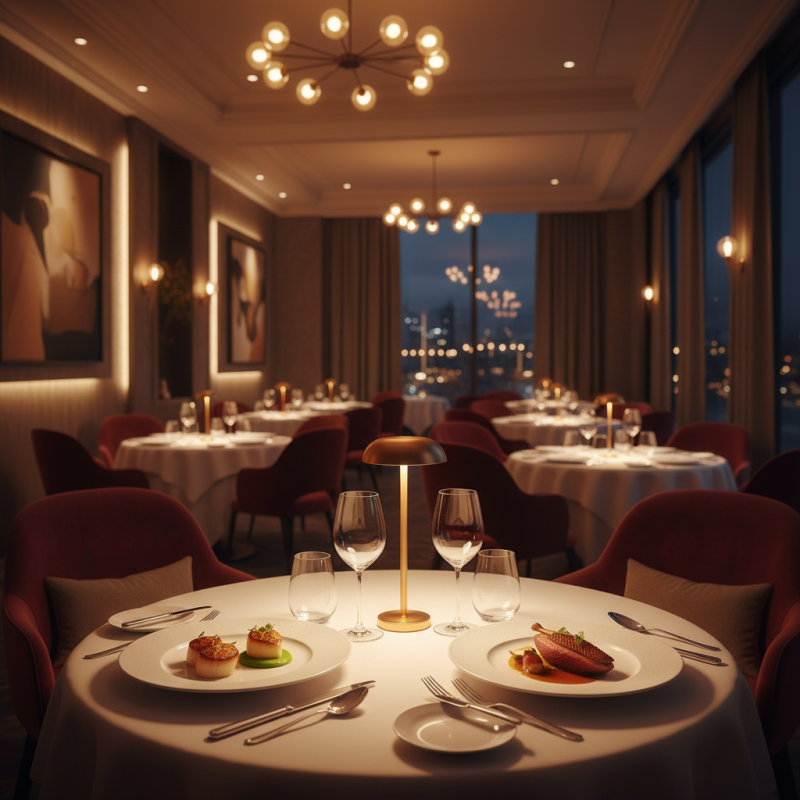
Color temperature plays a vital role in setting the mood in luxury restaurants. Typically measured in Kelvin (K), warmer tones (2500K-3000K) can create an intimate atmosphere, while cooler tones (above 4000K) may render a more energetic feel. Research from the Society of Light and Lighting suggests that warmer color temperatures can increase diners’ satisfaction, encouraging them to linger longer. This is essential for enhancing both the dining experience and restaurant profitability.
Creating the ideal ambiance requires thoughtful implementation. Here are a few tips:
While focusing on color temperature, recognize that too much warmth can hinder visibility. Guests may struggle to read menus or view their food clearly. It is crucial to find a balance that fosters comfort without sacrificing practicality. Remember, the atmosphere should enhance the dining experience, not distract from it. Adjusting color temperatures thoughtfully can create that desired luxurious dining setting.
Choosing the right color temperature is crucial for creating the desired dining experience in a luxury restaurant. Generally, warmer color temperatures, around 2700K to 3000K, evoke feelings of comfort and intimacy. This range is ideal for romantic dinners. The soft glow enhances skin tones and creates a cozy atmosphere, making it perfect for couples enjoying a quiet night out.
In contrast, cooler color temperatures, such as 3500K to 4100K, are suitable for more lively, social settings. They offer a brightness that increases alertness and interaction. This spectrum works well for brunch spots or family dining, where conversation flows easily. However, it's important to note that overly bright lighting can feel harsh and uninviting. Striking the right balance can be challenging.
Remember, lighting technology has advanced significantly. Dimmer switches and smart lighting can help adjust the color temperature throughout the dining experience. However, relying too heavily on technology might lead to a sterile environment. Human intuition is essential in fine-tuning the ambiance. Observing guests' reactions can help refine the approach to lighting.
When designing luxury restaurant lighting, understanding lumens is crucial. Lumens measure brightness, impacting the ambiance significantly. For a cozy, intimate setting, aim for around 100-200 lumens per square meter. This range provides warmth without harshness. The right brightness invites guests to relax and savor their meals.
While planning, consider the layout and decor. High ceilings may require more significant light sources to maintain even illumination. Wall sconces can enhance the visual appeal while adding necessary light. Experimenting with dimmers allows flexibility, adjusting brightness for different dining experiences. Striking the right balance is key; too dim may feel bleak, while too bright can be overwhelming.
Reflecting on your choices is essential. The goal is to create a welcoming space. Collaborate with lighting experts who understand the nuances of restaurant needs. Solicit feedback from diners about the lighting effect. Fine-tuning your approach signifies a commitment to excellence in every aspect of the dining experience.
| Lighting Type | Ideal Color Temperature (Kelvin) | Recommended Lumens per Square Foot | ambiance Type |
|---|---|---|---|
| Ambient Lighting | 2700K - 3000K | 10-20 lumens | Warm and Inviting |
| Task Lighting | 3000K - 3500K | 20-30 lumens | Functional and Clear |
| Accent Lighting | 3000K - 4000K | 30-50 lumens | Highlighting Features |
| Decorative Lighting | 2700K - 3500K | 5-10 lumens | Artistic Flair |
| Downlighting | 3000K | 15-25 lumens | Direct and Focused |
Creating the perfect atmosphere in a luxury restaurant involves careful consideration of color temperature. The right hues can make a dining experience memorable. However, certain colors should be approached with caution. For instance, bright whites or harsh blues can create an unwelcoming ambiance. These colors may disrupt the relaxing vibe needed for enjoyable meals. Instead, opt for warmer tones like soft yellows and deep reds. These shades can invoke feelings of comfort and intimacy, encouraging guests to linger longer.
It's essential to think about the overall color scheme in your restaurant. Dark colors can lower visibility and create a gloomy atmosphere. While they may exude elegance, they can also lead to discomfort. Lighter shades of brown or muted gold enhance warmth. They pair beautifully with natural wood finishes, creating an inviting space. Remember, the goal is to complement the dining experience, not overshadow it with overpowering colors.
Consider the emotional impact of color. For example, pale greens can evoke calmness, while vibrant reds may increase appetite. Striking a balance is key. Each table setting should encourage conversation, not distraction. Reflecting on these details can significantly improve your guests' experience.
Lighting plays a crucial role in dining experiences. The ideal color temperature for luxury restaurant settings typically ranges from 2700K to 3000K. This warm light creates an inviting atmosphere, enhancing the enjoyment of meals. According to a report by the International Association of Lighting Designers, appropriate lighting can increase customer satisfaction by up to 30%.
Combining color temperature with interior design is vital for creating a cohesive environment. For instance, darker wood furnishings pair well with warm lighting, promoting a cozy feel. In contrast, sleek metal designs may benefit from slightly cooler tones. Research by the Restaurant and Bar Design Awards highlights that an aesthetically pleasing ambiance can lead to a 20% increase in repeat customers.
However, achieving the perfect balance can be challenging. Overly warm lighting might make the space feel cramped. On the other hand, too cool lighting can distance patrons. It’s essential to consider factors like wall colors and table settings. Experimentation is key: adjusting the color temperature can dramatically shift the dining mood. Observing customer reactions can provide valuable insights into what works best.
: Color temperature, measured in Kelvin, sets the mood. Warmer tones create intimacy, while cooler tones energize.
The ideal range is 2700K to 3000K. This warm light enhances the overall dining experience.
Proper lighting can increase satisfaction by providing comfort. It encourages guests to linger and enjoy.
Too much warmth can reduce visibility. Guests need to see menus and food clearly for an enjoyable experience.
Aim for 100-200 lumens per square meter for a cozy feel. Adjust brightness to suit different dining times.
Combining light and decor creates a cohesive environment. Dark wood works well with warm tones, enhancing comfort.
Adjusting lighting and observing reactions helps fine-tune the experience. Small changes can create significant impacts.
Aesthetic lighting can lead to new customers returning. It makes the space inviting and enjoyable for diners.
Yes, gathering diner feedback is crucial. It helps reflect on your choices and improve the dining experience.
Achieving the right balance can be difficult. Overly warm or cool lighting may alienate diners or feel cramped.
When considering the dining experience in a luxury restaurant, one crucial aspect to explore is "What is the ideal color temperature for luxury restaurant dining?" Color temperature significantly influences the atmosphere, making it essential to choose the right spectrum for different dining scenarios. Warmer tones, typically between 2700K to 3000K, can create an intimate and inviting ambiance, which is often preferred in fine dining settings.
Additionally, striking a balance in lumens can enhance the overall aesthetic while being mindful of color choices that complement the interior design. Avoiding harsh or overly cool hues ensures guests feel comfortable and engaged. Ultimately, combining appropriate color temperature with harmonious decor elements can elevate the dining experience, making it memorable for patrons.

Trandic Light