In the modern hospitality industry, smart technology is reshaping guest experiences. A recent report by MarketsandMarkets highlights that the smart lighting market is projected to reach $24.1 billion by 2025. Hotels that adopt these technologies can enhance comfort and reduce energy consumption. However, the question remains, "How to integrate smart lighting controls into an existing hotel?"
Implementing smart lighting controls poses challenges, particularly in retrofitting outdated systems. Existing infrastructure may limit options. Additionally, staff training on new systems is crucial for optimal operation. Balancing innovation with practicality requires careful planning. It's essential to consider the unique identity of the hotel while creating an automated experience for guests.
Furthermore, guest preferences vary widely. Some may embrace technology, while others may resist it. Thoughtful integration is needed to cater to diverse comfort levels. Engaging guests in the process can foster acceptance and satisfaction. As hotels navigate this transition, understanding both opportunities and potential drawbacks is vital for leveraging smart lighting effectively.
Understanding Smart Lighting Controls and Their Benefits
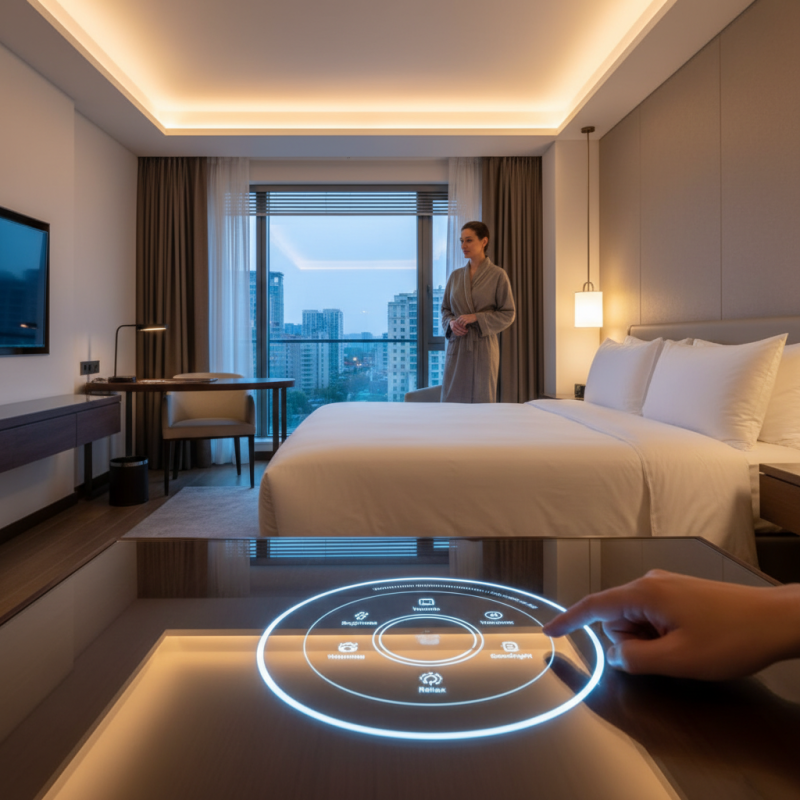
Smart lighting controls have transformed the way hotel guests experience their rooms. These innovative systems allow users to adjust brightness and color temperature easily. Guests can create their ideal atmosphere, whether it's a cozy, warm glow for relaxation or bright, white light for work. This flexibility contributes directly to guest satisfaction.
The benefits of smart lighting controls extend beyond comfort. Energy efficiency is a key advantage. Traditional lighting systems consume excess energy. Smart systems optimize usage, reducing costs for hotels and lowering their carbon footprint. However, not all guests may understand how to use these technologies effectively. Some may struggle with setup. User-friendly interfaces are essential, yet they are not universally present.
Implementing smart lighting requires careful consideration. Training staff to assist guests is crucial. Additionally, the installation process needs to ensure compatibility with existing hotel infrastructure. While these technologies have great potential, their effectiveness depends on thoughtful implementation. Regular feedback from guests can provide insights for improvement. Balancing innovation with simplicity is essential for a successful integration of smart lighting in hotel rooms.
Choosing the Right Smart Lighting System for Hotel Rooms
When selecting the right smart lighting system for hotel rooms, it’s vital to prioritize user experience. Guests seek convenience and comfort. Smart lighting should seamlessly integrate with room design, creating an atmosphere that enhances their stay. Consider options that allow for personalized settings. Guests appreciate being able to control brightness and color to suit their moods.
Energy efficiency is another key factor. Systems that adjust based on room occupancy can significantly reduce electricity costs. However, overly complex systems may frustrate users. A balance is necessary. The ideal solution combines intuitive controls with cutting-edge technology. Systems that rely on simple apps or voice commands often yield the best guest satisfaction.
Finally, consider the long-term implications of your choice. Features that promise innovation today might require updates or replacements tomorrow. It’s essential to weigh immediate benefits against future needs. Take time to evaluate different systems. In the end, a well-chosen smart lighting system not only delights guests but also provides lasting value to the hotel.
Smart Lighting System Features Comparison
This chart illustrates the key features of various smart lighting systems that can be integrated into hotel rooms. The features include Energy Efficiency, User Control, Integration Capabilities, Customizable Settings, and Cost, rated on a scale of 1 to 10. It helps in selecting the right smart lighting system for enhancing guest experience.
Steps to Install Smart Lighting Controls in Hotel Rooms
Integrating smart lighting controls in hotel rooms enhances guest experience while promoting energy efficiency. Guests can enjoy personalized ambiance tailored to their preferences. Below are steps to install these innovative systems.
Begin by assessing the current electrical setup. In older buildings, wiring may not support advanced smart lighting. Consult an electrician to evaluate compatibility. Choosing the right smart lighting system is crucial. Consider options that offer easy app integration and voice control features.
Once the system is selected, installation becomes key. Start by replacing existing fixtures with smart bulbs. Ensure proper placement for optimal brightness. It may involve a few attempts to find the right spots. Testing the controls is essential. Some may struggle with app navigation initially.
Tip: Encourage guests to explore different lighting settings during their stay. This may lead to better reviews.
Keep security in mind. Ensure all software updates are applied to prevent vulnerabilities. Regularly check the systems post-installation.
Tip: Share comprehensive instructions with guests. This can reduce their frustration. Miscommunication often leads to dissatisfaction.
Integrating Smart Lighting with Existing Hotel Management Systems
Integrating smart lighting with existing hotel management systems can greatly enhance the guest experience.
According to a 2023 report by the American Hotel and Lodging Educational Institute, smart technologies can increase operational efficiency by up to 30%.
These systems can automate room controls, allowing guests to adjust their environment effortlessly.
One effective strategy is to utilize protocols like Zigbee or Z-Wave.
These standards allow seamless communication between devices and the hotel’s management system.
Installations may require careful planning, as not all existing systems are compatible.
For instance, a four-star hotel reported challenges integrating smart lighting with legacy systems, which caused delays and extra costs.
Hotels can collect data on guest preferences through smart lighting.
This data can highlight trends, such as preferred lighting settings for different times of day.
Ensuring privacy and security when handling guest data is essential.
Many hotels must still refine their data management practices to avoid potential breaches.
As the industry evolves, aligning smart technologies with operational frameworks remains a critical task for hoteliers.
Best Practices for Training Staff on Smart Lighting Operations
Training hotel staff on smart lighting controls is essential for an efficient guest experience. A recent study shows that guests prefer customizable lighting options. Proper training allows staff to assist guests effectively. This knowledge can significantly enhance guest satisfaction rates.
Effective training programs are hands-on. Role-playing scenarios can help staff understand common issues. According to industry reports, hotels with well-trained staff saw a 20% increase in positive guest reviews related to in-room technology. This indicates that expertise in smart lighting not only boosts confidence but improves service quality.
Additionally, ongoing education is crucial. Staff should receive regular updates on new technologies. The rapid evolution of smart systems means that previous training may quickly become outdated. Incorporating feedback from front-line staff can reveal gaps in knowledge and techniques. Addressing these gaps is vital for maintaining operational excellence. Investing in staff training pays off through improved guest interactions and enhanced hotel reputation.
How to Integrate Smart Lighting Controls in Your Hotel Room? - Best Practices for Training Staff on Smart Lighting Operations
| Best Practice |
Description |
Training Method |
Frequency |
| Hands-on Demonstrations |
Staff shadow experienced personnel to learn system functionalities. |
In-person training sessions |
Quarterly |
| Interactive Workshops |
Engage staff in practical scenarios to troubleshoot and operate smart lighting. |
Group activities |
Biannually |
| Use of Manuals and Guides |
Provide detailed operation manuals for reference during guest interactions. |
Self-study |
Ongoing |
| Feedback and Improvement Sessions |
Collect staff feedback on smart lighting issues and address them. |
Group discussions |
Monthly |
| Role-Playing Scenarios |
Simulate guest scenarios to practice smart lighting interactions. |
Role-playing |
Monthly |
Conclusion
In the hospitality industry, understanding how to integrate smart lighting controls into an existing hotel can significantly enhance guest experience and operational efficiency. The process begins with recognizing the benefits of smart lighting, such as energy savings and enhanced ambiance. Selecting the right smart lighting system tailored for hotel rooms is essential, as it ensures compatibility with existing infrastructures.
Once the system is chosen, hotel management should follow specific steps for installation that are seamless and minimally intrusive to guests. Further integration of smart lighting with current hotel management systems maximizes functionality and guest convenience. Additionally, training staff on the effective operation of these systems is crucial, enabling them to assist guests and troubleshoot any issues efficiently. By following these best practices, hotels can successfully implement smart lighting controls that elevate their service and sustainability.

 Trandic Light