When it comes to lighting, many people wonder, "What is the difference between residential and commercial grade lighting?" This question is vital for homeowners and business owners alike. Understanding the distinctions can greatly influence choices that affect both ambience and functionality.
Residential lighting tends to focus on aesthetics and comfort. It aims to create a warm and inviting atmosphere. Fixtures are often designed to blend with home decor. In contrast, commercial lighting prioritizes performance and efficiency. It aims to enhance productivity and safety in various settings, like offices or retail spaces.
Moreover, the durability of materials is a key difference. Commercial grade lighting is built to withstand higher usage and harsher conditions. It involves stricter standards for reliability. Users often overlook this aspect, which can lead to costly replacements. Familiarizing oneself with these differences can prevent future issues and ensure the right lighting is chosen for specific needs.
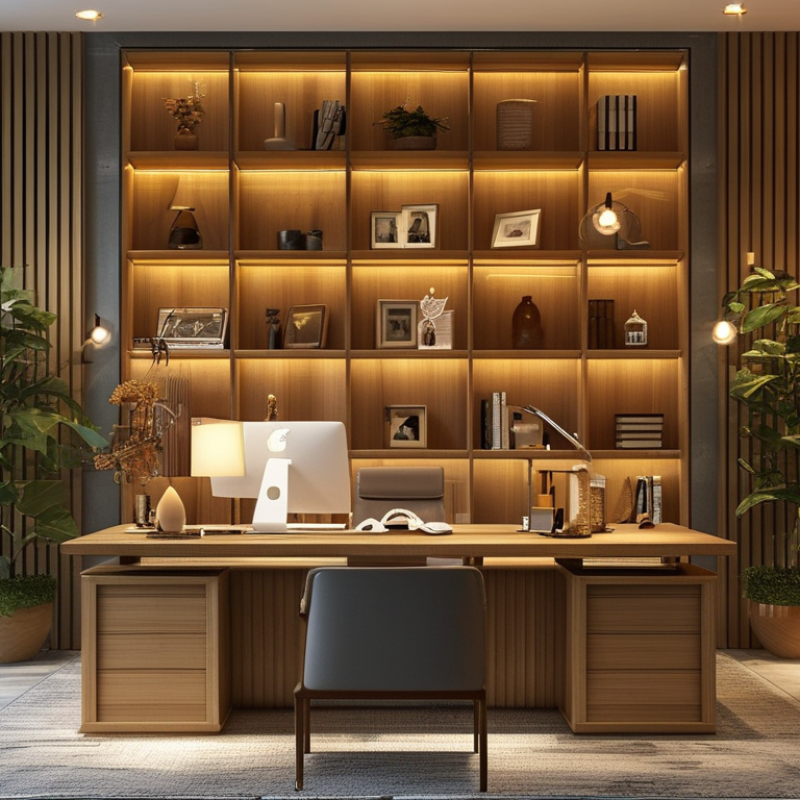
When considering residential lighting, it’s essential to understand its characteristics.
Residential lighting is primarily designed for comfort and ambiance. It often emphasizes warmth and functionality.
Each room requires a different lighting solution, such as cozy lamps in living areas or bright fixtures in kitchens.
The style also varies widely, with homeowners often choosing fixtures that reflect personal taste.
The most effective residential lighting solutions focus on energy efficiency. Many homeowners prefer LED bulbs due to their long lifespan and reduced energy consumption.
Dimmer switches are common, providing flexibility in light intensity. However, achieving the right balance is not always straightforward.
Many people struggle to find the perfect combination of brightness and design that suits their needs.
Another consideration is the safety aspect. Homeowners must ensure that lighting in stairways and hallways is adequate to prevent accidents.
Inadequate lighting can lead to injuries or create an uncomfortable atmosphere. Subtle, well-placed lights can greatly enhance safety and mood.
Ultimately, understanding these factors is crucial for creating a well-lit and inviting home.
Commercial grade lighting is designed for performance and durability. It's often used in business settings, such as offices, warehouses, and retail spaces. These environments demand consistent brightness and energy efficiency to support various activities. Unlike residential lighting, which can be more aesthetic, commercial lighting focuses on functional advantages.
High-quality commercial fixtures often withstand heavy usage and have longer lifespans. They typically use LED technology, saving energy and reducing costs. In addition, commercial lighting systems often feature advanced controls, like dimming options and smart technology integration. Such features allow businesses to create the ideal work environment while minimizing energy waste.
When choosing commercial lighting, consider its placement and intensity. Effective lighting enhances productivity and safety. Make sure to evaluate the needs of your specific space. It's also wise to examine the color temperature of the fixtures. A cooler light can boost alertness, while a warmer tone fosters comfort. Pay attention to local codes and industry standards. These guidelines help ensure reliability and safety in your lighting choices. Regular maintenance is crucial. Even the best fixtures need checks to maintain optimal performance.
When comparing residential and commercial grade lighting, durability and lifespan are crucial factors. Studies indicate that commercial lighting products often use higher-quality materials. These materials can withstand the rigors of constant use in high-traffic environments. In contrast, residential lighting typically targets home aesthetics rather than longevity. This leads to a shorter lifespan, averaging about 2,000 hours compared to 25,000 hours for commercial setups.
The impact of usage patterns also differentiates the two. Commercial lighting is designed for extended exposure, often running 10-12 hours daily. This requirement pushes manufacturers to enhance durability. According to a 2022 industry report, about 60% of commercial lighting products have a lifespan exceeding 5 years under normal conditions. Residential lighting may need replacement more frequently due to reduced robustness in less demanding environments.
Interestingly, the warranty period reflects durability expectations. Most commercial fixtures come with warranties ranging from 5 to 10 years. Thus, consumers often feel secure making an investment. In contrast, many residential lighting fixtures only offer a 1 to 3-year warranty. This disparity leads to consideration of both initial costs and long-term expenses. In some cases, the cheaper options for home lighting may not be the best value in the long run, emphasizing the need for careful choice.
| Aspect | Residential Grade | Commercial Grade |
|---|---|---|
| Durability | Lower durability, suitable for light usage | Higher durability, designed for heavy usage |
| Lifespan | Approx. 10,000 hours | Approx. 50,000 hours |
| Energy Efficiency | Standard efficiency | High energy efficiency standards |
| Cost | Generally lower cost | Higher initial investment |
| Installation | Simpler installation process | More complex installation requires professional expertise |
Energy efficiency is a major concern when comparing residential and commercial lighting. Residential lighting often prioritizes aesthetics and warmth. In contrast, commercial lighting focuses on functionality and cost-effectiveness. This distinction leads to different energy consumption patterns.
Residential spaces typically use LED bulbs. These bulbs consume less energy while providing adequate light for daily activities. However, homes may still have inefficient fixtures, leading to higher energy bills. Commercial lighting, on the other hand, often utilizes high-efficiency fluorescent or LED systems. These solutions not only reduce energy usage but also offer longer lifespans, which can be crucial for businesses concerned about overhead costs.
Yet, it's essential to consider the specific needs of each space. A well-designed residential system can lower energy costs but may require ongoing adjustments. Commercial lighting can sometimes be over-engineered, resulting in unnecessary energy consumption. Striking the right balance is key. With thoughtful planning, both residential and commercial spaces can achieve optimal energy efficiency while meeting their unique requirements.
In the world of lighting, application suitability and design considerations stand out significantly between residential and commercial grade lighting. Commercial environments often demand higher lumen outputs. A study from the Illuminating Engineering Society shows that commercial spaces can require up to three times the brightness to meet functional needs. In contrast, residential lighting focuses on comfort and ambiance, typically maintaining lower levels of brightness.
The design of commercial lighting must accommodate energy efficiency regulations and diverse activities. For example, offices benefit from task lighting that focuses on desks, while retail spaces require fixtures that enhance product visibility. Similarly, residential designs prioritize aesthetics, creating warm and inviting atmospheres. The trade-off here can lead to under-illumination in professional settings if a residential approach is erroneously applied.
Consider how fixture durability and lifespan differ greatly. Commercial lights must endure longer operational hours. Data indicates that these fixtures need to last, on average, 50,000 hours, compared to 10,000 to 20,000 hours for most residential options. Design professionals should weigh performance against aesthetic appeal, especially in multipurpose areas.
Use zoning in design to enhance functionality. This can mean creating different light settings for various tasks. Evaluate whether your lighting scheme supports diverse activities and user comfort. It’s all about balance and targeted illumination in every setting. Thoughtful planning will yield better user experience across both residential and commercial spaces.
: Energy efficiency is a major concern. Residential lighting emphasizes aesthetics, while commercial lighting focuses on functionality.
Residential spaces typically use LED bulbs. These bulbs save energy while providing enough light for daily activities.
Homes may still have inefficient fixtures. This can negate savings provided by using LED bulbs.
Commercial lighting often uses high-efficiency fluorescent or LED systems. These options reduce energy consumption significantly.
Commercial spaces often need higher lumen outputs, sometimes three times more than residential areas for functionality.
Commercial lighting must comply with energy regulations and cater to diverse activities like task lighting for offices.
Commercial lights should last about 50,000 hours, while residential options typically last 10,000 to 20,000 hours.
Zoning allows for different light settings for various tasks. It enhances functionality and user comfort.
Using residential design might lead to under-illumination in professional settings. It's important to assess functional needs.
Thoughtful planning achieves optimal energy efficiency and enhances the user experience across different settings.
When exploring the differences in lighting options, a common question arises: "What is the difference between residential and commercial grade lighting?" This article outlines five key differences between the two categories, beginning with a detailed understanding of residential lighting characteristics, which often prioritize aesthetic appeal and warmth. In contrast, commercial grade lighting is designed for functionality and performance to meet the demands of business environments.
Further analysis reveals notable differences in durability and lifespan, where commercial lighting typically withstands harsher conditions and has a longer operational life. Energy efficiency is another critical aspect; commercial lighting systems are generally optimized for higher output and lower consumption. Finally, the article examines suitability and design considerations, highlighting how the intended application influences the choice of lighting. Understanding these differences is essential for selecting the right lighting solution for either residential or commercial spaces.

Trandic Light